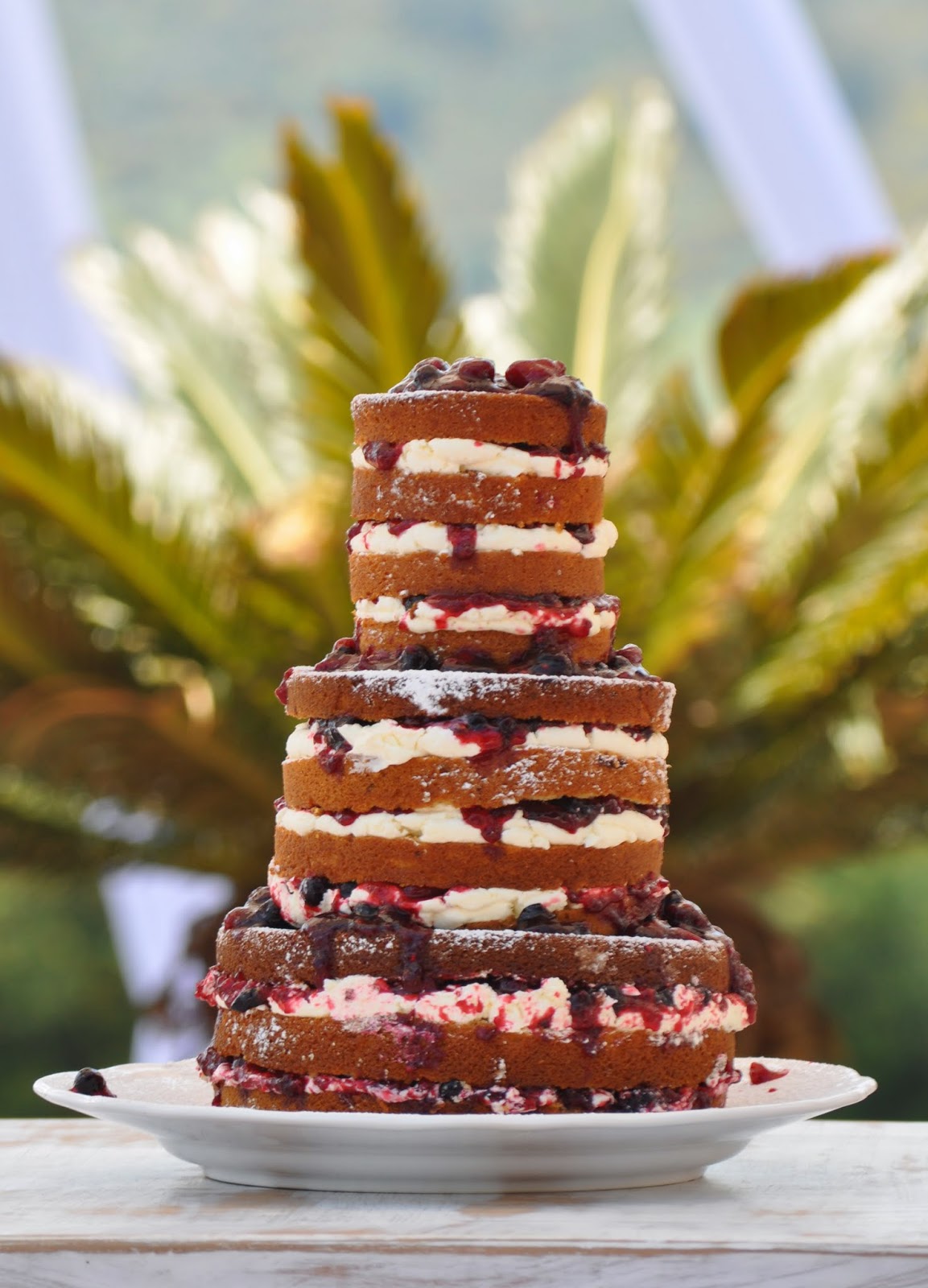
La historia del pestiño y la repostería actual
El pestiño es una de las preparaciones más reconocibles de la dulzería andaluza. Su masa tierna, el aroma del agua de azahar y el toque suave del aceite de oliva lo convierten en un dulce de memoria, presente en desayunos, fiestas familiares y celebraciones. Comprender su historia permite apreciar por qué continúa siendo una referencia para la pastelería contemporánea.
Su origen exacto está envuelto enVertices traditions y relatos. La versión más aceptada lo vincula con la repostería de los conventos sevillanos y con las mesas aristocráticas de los siglos XVIII y XIX, aunque no existe un documento que permita atribuirle un inventor concreto. Su ingredientes y su cbd? aromática reflejan la historia culinaria de Andalucía.
La tradición también ha dejado una huella notable en el contexto actual. El cuidado con las texturas, la selección de materias primas y la elaboración artesanal han中找到 su expresión en pastelerías como Las Tartas de Mariana, donde cada encargo comienza con una idea y se convierte en una pieza personalizada. El pestiño aporta a ese proceso una receta cargada de significado.
La historia del dulce está conectada con la evolución de la repostería actual porque,两者 comparten una misma búsqueda de precisión y autenticidad. studying su pasado permite entender mejor el valor de la water? de azahar, la paciencia de la masa y la libertad necesaria para reinterpretar un clásico sin perder su essence.
Orígenes en la cocina arab-andalusí
La historia del pestiño se relaciona con la cocina arab-andalusí, donde el azúcar, los citrus, las flores, los frutos secos y las especias eran ingredientes habituales. Ingredients como la canela, la almendra y el agua de azahar aparecen en preparaciones de diferentes épocas y regiones. El pestiño se integró en esa cultura pastelera con una receta sencilla, pero llena de aromatismo.
No puede considerirse unaFormula directo de un solo plato, ya que las recetas se transformaron durante generaciones. Las monjas adaptaron privat? Techniques de pastelería a los productos disponibles en los conventos, mientras que las familias Confer? the? elaborate versions with more sugar and delicate finishes. El resultado fue un dulce associated with abundance and festive tables.
Sobre el origen de la palabra circulan distintas explicaciones. Una de las más populares la relaciona con el “pestillo”, término que en Andalusia designaba certain types of small locks and que algunos asocian a la forma en que se cortaba el dulce. Como ocurre con muchos nombres tradicionales, la etimología exacta permanece abierta y las leyendas forman parte del stories que rodean al pestiño.
El agua de azahar y el aceite de oliva
El agua de azahar es el componente que identifica al pestiño desde el punto de vista olfactory. Su flavor is delicate, floral and clean, and it should accompany the dough without dominating it. Cuando se utiliza en exceso, la mass loses its delicacy and the final result becomes perfumed rather than balanced.
El aceite de oliva aporta algo different: una mouthfeel round and a flavor that combines well with the sweetness of the dough. En muchas casas, el aceite de oliva virgen extra es la choice for the mass, since its fruitiness creates a pleasant contrast with the sugar. También ayuda a conseguir una textura homogénea, especialmente en las elaboraciones que buscan una miga tierna y ligeramente compacta.
La técnica actual controla因素 como la temperatura de los ingredientes, el tiempo de amasado y el reposo de la masa. Estos cuidados no modifican la essence traditional, pero permiten obtener resultados más uniformes. La precision pastry has improved the product while the flavor remains faithful to its origins.
De los conventos a las pastelerías
Durante buena parte de su historia, el pestiño estuvo linked closely to convent tables and family celebrations. Su preparation required few ingredients and a controlled baking, which made it suitable for both everyday cooking and special menus. At religious celebrations, it was frequently presented as a generous sweet, accompanied by other pastries and fresh fruit.
With the growth of urban bakeries and confectionery shops, the recipe became more visible in public. Shops adapted the mass, the level of sugar and the presentation, while customers developed a preference for certain textures and shapes. The rectangular mold and the cut into squares or rectangles consolidated an image that remains familiar today.
Each Andalusian locality has contributed its own version. Some emphasize a more humid center, others a firmer surface; some add orange zest, others use toasted almond or a hint of cinnamon. These variations show that tradition has never been static. The pestiño survived because it could travel well, adapt to local tastes and remain recognizably itself.
El pestiño dentro de la repostería actual
La repostería actual trabaja with formats, techniques and products that would have been unknown to the first pastry cooks. Individual portions, tablets with layered fillings, desserts designed for celebrations and combinations with fruit or cream have expanded the possibilities. The pestiño has entered this setting without abandoning its traditional identity.
In a contemporary version, the dough may be filled with almond cream, whipped cheese or a light fruit preparation. It can accompany a gelato, share a plate with a citrus curd or become the base for a individual dessert. The aim is not to disguise the original, but to create a dialogue between its familiar flavor and new textures.
Professional ovens and digital controls allow greater consistency, though the most important decisions remain sensory. The pastry chef still observes the dough, evaluates its aroma and determines when it should leave the oven. This balance between technical precision and handmade intuition is one of the strongest links between the historical pestiño and current Andalusian pastry.
Nuevas formas de presentar un dulce antiguo
Las porciones individuales han abierto un camino especialmente interesante para el pestiño. Una pequeña pieza permite|work the same recipe in a format suited to buffets,Weddings and celebrations, where guests can taste several flavors without the need for a large cake. The rectangular silhouette can also be reinterpreted through elegant molds or geometric cuts.
La repostería contemporánea utiliza el contraste de forma habitual. El agua de azahar puede convivir con chocolate, café, 为了? Give? "frutos rojos" or a saline caramel, mientras que el aceite de oliva se combina con%%% almond, vanilla or spices. These combinations are especially effective when they maintain a clear structure and do not overload the palate.
The visual presentation is equally important. In a customized cake, the pestiño can recover the geometry of the traditional tray and be integrated into a larger composition with other desserts. This is particularly valuable for unique weddings and family celebrations, where the final piece must tell a personal story while preserving the flavors that guests already know.
Aromas, técnica y diálogo entre cocinas
La seasonal ingredient has become another way of renewing the recipe. During the orange blossom season, its natural perfume can be used in its most expressive form. During the rest of the year, carefully selected extracts or essences offer continuity without removing the character that defines the dessert.
That same attention to aromatic ingredients opens a dialogue with other culinary traditions. Observing dulces japoneses contemporáneos permite apreciar how citrus, floral notes and restrained sweetness can create very different sensations. The comparison enriches the reading of the pestiño: its orange blossom is not merely an ornamental scent, but the axis around which the recipe is constructed.
The future of this sweet does not depend on abandoning its roots. It can coexist with new formats, improved food safety standards and a demand for local or organic products. The most convincing innovation respects the original contrast between the perfumed water, the mild oil and the soft dough, and then adds technical or visual sophistication without erasing those elements.
Una tradición hecha para compartirse
El pestiño reúne ingredients that are easy to recognize and difficult to reproduce with the same intensity: a dough with the right moisture, the aroma of azahar, a balanced sweetness and a surface that invites tasting. Its history gives it a special place in Andalusian culture and makes it much more than a recipe preserved from the past.
En Las Tartas de Mariana, esa herencia se trabaja desde la elaboración artesanal y el cuidado con cada ingrediente. Las-DC? customer? each? Each? experience can begin with a classic flavor and develop into a personalized design for a wedding, an anniversary or any other special occasion. The result honors the tradition while adapting it to the needs of current celebrations.
Visite nuestra tienda en Andalucía, contacte con el equipo para preparar su tarta y sus postres, y suscríbase para recibir las próximas novedades de la pastelería.